
Posted by Electric Solenoid Valves on Oct 27th 2022
Can You Use a Standard Solenoid Valve for Gas? Low-Pressure Gas Explained
Can You Use a Standard Solenoid Valve for Gas?
If you need to electrically control the flow of natural gas or propane, you may be wondering: Can you use a standard solenoid valve for gas?
The answer is: you should use a solenoid valve specifically designed and rated for the gas application.
Gas behaves differently from liquids, and low-pressure gas applications present particular sealing requirements. A solenoid valve designed for water or other liquid applications should not automatically be assumed to provide the same performance when used with gas.
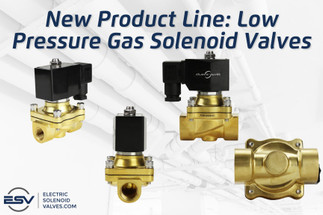
Electric Solenoid Valves offers low-pressure gas solenoid valves designed for gaseous media including natural gas, propane, and inert gases. These valves use specialized internal components to help provide an airtight seal in low-pressure gas applications.
Why Does Gas Require a Different Solenoid Valve?
A solenoid valve controls media by opening and closing a passage when the electrical coil is energized or de-energized. However, the valve's ability to seal depends on the characteristics of the media and the design of the valve.
Gas presents a different sealing challenge than liquids.
In a low-pressure gas system, there may be little pressure available to assist the valve in creating a tight seal. Because gas can pass through very small openings, the valve needs to be designed to maintain an effective seal under the conditions in which it will operate.
This is one reason a low-pressure gas solenoid valve differs from a general-purpose solenoid valve designed primarily for liquid applications.
Can You Use a Water Solenoid Valve for Gas?
A common mistake when selecting a valve is assuming that a solenoid valve suitable for water will also work for gas.
A water solenoid valve should not automatically be substituted for a gas solenoid valve.
ESV's low-pressure gas valves are specifically designed to address the sealing requirements associated with low-pressure gaseous media.
The design incorporates a higher-tension stainless steel spring and NBR diaphragm to help create an airtight seal when the valve is closed.
The important consideration is therefore not simply whether a valve is electrically operated. The valve must also be appropriate for the medium and operating conditions of the application.
What Makes a Solenoid Valve Suitable for Gas?
When selecting a solenoid valve for gas, the valve's construction and sealing components are important considerations.
ESV's low-pressure gas valve design incorporates specific components intended for low-pressure gas service.
NBR Diaphragm
ESV's low-pressure gas valves use an NBR (Nitrile Butadiene Rubber) diaphragm.
NBR is used in the valve design for its suitability for gaseous media and its ability to maintain its properties under lower-temperature conditions.
The combination of the NBR diaphragm and higher-tension spring helps the valve achieve the sealing performance required for low-pressure gas applications.
Why Is Low Gas Pressure Important?
The operating pressure of a gas system can affect how a solenoid valve performs.
A valve designed for an application with sufficient pressure may not perform the same way when installed in a system operating at very low pressure.
For low-pressure gas applications, the valve needs to be capable of sealing properly without relying on a high pressure differential.
ESV's low-pressure gas valves are designed around this requirement. The higher-tension spring helps force the sealing components into position, allowing the valve to maintain an airtight seal even when there is little or no pressure available to assist the seal.
What Happens When You Choose the Wrong Solenoid Valve for Gas?
Choosing a solenoid valve based only on connection size or electrical voltage can result in a valve that is not appropriate for the application.
For gas service, the valve should be selected based on the medium, operating pressure, valve specifications, connection size, and electrical requirements.
A general-purpose liquid valve may not provide the sealing characteristics required for low-pressure gas.
Before installing a solenoid valve in a gas system, verify that the specific valve is designed and specified for the intended gas and operating conditions.
What Types of Gas Can ESV's Low-Pressure Valves Control?
ESV's low-pressure gas solenoid valves are designed for gaseous media including:
- Natural gas
- Inert gases
These valves provide electrically controlled, one-directional flow for compatible gas applications.
The specific valve model should always be checked for its published specifications before selecting it for an application.
Natural Gas Solenoid Valves
A natural gas solenoid valve provides electrically controlled shutoff and flow control for compatible natural gas applications.
ESV's low-pressure gas valve series is designed specifically for natural gas applications where the operating conditions fall within the valve's specifications.
The valve's pressure range, port size, voltage, materials, and other specifications should be considered when selecting the appropriate model.
Why the Valve's Sealing Design Matters
When controlling gas at low pressure, sealing performance is a critical part of valve design.
ESV's low-pressure gas solenoid valves use:
- A higher-tension stainless steel spring
- An NBR diaphragm
- A design intended for low-pressure gaseous media
These components work together to help maintain an airtight seal when the valve is closed.
This is what distinguishes a purpose-built low-pressure gas solenoid valve from simply using a general-purpose valve and assuming it will perform the same way with gas.
Can ESV's Low-Pressure Gas Valves Be Used for Liquids?
Although ESV's low-pressure gas valves can technically be used with liquid media, liquid flow performance may be lower than optimal.
For liquid applications, ESV recommends considering its general-purpose solenoid valves or a full-bore motorized ball valve, depending on the application.
The important point is to select the valve based on the medium it is intended to control.
A valve designed specifically for low-pressure gas is not necessarily the best choice for a liquid application.
What Should You Check Before Selecting a Gas Solenoid Valve?
If you're replacing a valve or choosing one for a new installation, start by identifying the requirements of the system.
Gas Type
Determine the gas being controlled.
ESV's low-pressure gas valves are designed for natural gas, propane, and inert gas applications within their specified compatibility limits.
Operating Pressure
Determine the actual operating pressure of the system.
Low-pressure operation is one of the primary reasons to select a valve specifically designed for low-pressure gas.
Individual ESV valve models have different specifications, so check the product information for the exact pressure range.
Connection Size
ESV's low-pressure gas valve line includes multiple port sizes, including:
-
- 3/8"
- 1/2"
- 3/4"
- 1"
Select the appropriate valve size based on the requirements of the system and the specifications of the valve.
Electrical Voltage
The solenoid coil must match the electrical control system.
ESV offers different coil voltage configurations depending on the specific low-pressure gas valve model.
Valve Configuration
ESV's BCM low-pressure gas solenoid valves are normally closed.
A normally closed valve remains closed when the coil is not energized and opens when the appropriate electrical power is applied.
Always verify the configuration and electrical specifications of the specific valve before ordering.
Why Use a Low-Pressure Gas Solenoid Valve?
If your system requires electrical control of natural gas, propane, or a compatible inert gas at low pressure, a purpose-built gas solenoid valve provides a design specifically suited to that application.
The key difference is not simply the name on the valve.
It's the combination of:
- Gas-compatible construction
- Appropriate sealing materials
- A higher-tension spring
- Low-pressure sealing capability
- The correct pressure range
- The appropriate electrical configuration
ESV's low-pressure gas valves are designed around these requirements.
The Bottom Line
Can you use a standard solenoid valve for gas?
Don't assume that a valve designed for water or another liquid is suitable for gas.
Low-pressure gas applications have different sealing requirements, and a valve designed specifically for gas service can provide the characteristics needed for reliable shutoff under those conditions.
ESV's low-pressure gas solenoid valves are designed for natural gas, propane, and inert gases and use a higher-tension stainless steel spring and NBR diaphragm to help maintain an airtight seal in low-pressure applications.
When selecting a valve, start with the gas type, operating pressure, connection size, electrical voltage, and valve configuration. Then confirm that the specific valve meets the requirements of the application.
Shop Low-Pressure Gas Solenoid Valves
ESV offers low-pressure gas solenoid valves in multiple sizes and electrical configurations for applications involving natural gas, propane, and compatible inert gases.
Review the specifications for the individual valve before ordering to ensure the model matches your gas type, pressure, connection, and electrical requirements.
Still Have Questions?
Our valve specialists are available to answer any questions you might have about our new line of valves and any other products in our catalog. Feel free to reach out during regular office hours via phone or with our online chat, or you can leave us a voicemail or email after hours, and we’ll get back to you the next business day.