
Posted by Electric Solenoid Valves on Jun 2nd 2021
How Does a Solenoid Work?
If you’ve ever wondered how a solenoid works, the answer begins with electromagnetism. A solenoid is an electromechanical device that converts electrical energy into linear mechanical motion using a coil of wire and a movable metal core.
In solenoid valves, this movement is used to control the flow of liquids or gases. When electrical current energizes the coil, it creates a magnetic field that moves an internal plunger. That motion either opens or closes an orifice, regulating fluid flow instantly.
Understanding how a solenoid works is essential when selecting the correct solenoid valve for water systems, compressed air, gas lines, or automated industrial processes.
What Is a Solenoid?
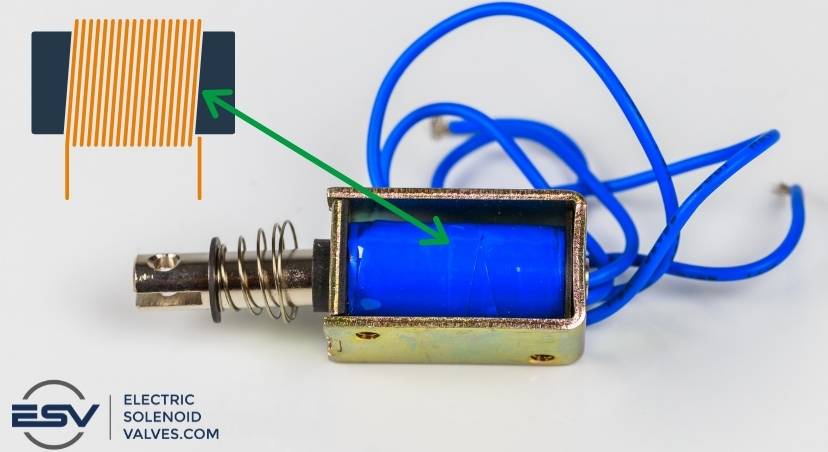
A solenoid is an electromechanical device that uses a coil of wire, a movable core, and electrical current to create a magnetic field that produces mechanical motion. You can use this motion to perform a variety of tasks, from opening and closing valves to starting your car.
In industrial applications, solenoids are commonly used to operate valves that control:
- Water
- Air
- Gas
- Light oils and chemical fluids
Main Components of a Solenoid
-
A typical solenoid used in valve systems consists of: