Posted by Electric Solenoid Valves on Aug 5th 2024 Troubleshooting Common Electric Ball Valves Issues Common Electric Ball Valve Problems: Troubleshooting Guide and Solutions Electric ball valves are certainly one of the most important devices in fluid systems—from home automation to industrial … read more
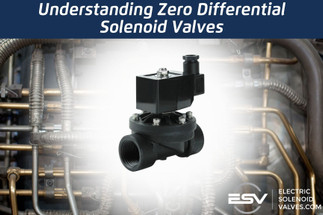
Posted by Electric Solenoid Valves` on Aug 1st 2024 ​Understanding Zero Differential Solenoid Valves Zero Differential Solenoid Valves Explained: Operation, Benefits, and Applications A zero differential solenoid valve is a type of solenoid valve that can open and close even when there is no pressure … read more
Posted by Electric Solenoid Valves on Jul 22nd 2024 IP Ratings Explained: What They Mean and Why They Matter IP Ratings Explained: Understanding Ingress Protection for Solenoid Valves and Electrical Components Have you ever noticed a code like “IP67” or “IPX5” somewhere on your electr … read more
Posted by Electric Solenoid Valves on Jul 15th 2024 How Solenoid Valves Optimize Modern HVAC Systems for Efficiency and Reliability Solenoid Valves in HVAC Systems: How They Improve Efficiency and Control In the complex world of building climate control, the development of Heating, Ventilation, and Air Conditioning (HVAC) systems … read more
Posted by Electric Solenoid Valves on Jul 10th 2024 Comparing L-Type (L-Port) vs. T-Type (T-Port) 3-Way Ball Valves L-Port vs. T-Port 3-Way Ball Valves: Flow Patterns & Selection Guide Designed with three ports, 3-way valves allow for the diversion and mixing of flow paths. This configuration is versatile for m … read more
Posted by Electric Solenoid Valves on Jul 3rd 2024 Enhancing Industrial Pneumatic Systems with Push-to-Connect Fittings Push Connect Fittings for Pneumatic Systems: Benefits, Applications, and Installation Guide Push connect fittings are integral components in industrial pneumatic systems. They are connectors that prov … read more