Posted by Electric Solenoid Valves on Oct 28th 2025 What Is a Y-Strainer and How Does It Work? A Y-strainer (a.k.a. wye strainer) is a compact inline filter that catches debris—rust flakes, pipe scale, sand, Teflon tape fragments—before it reaches sensitive components like solenoid … read more
Posted by Electric Solenoid Valves on Oct 15th 2025 Brass vs Stainless Electric Ball Valves Picking the right valve body material is the fastest way to avoid leaks, stuck balls, and premature actuator issues. This guide compares brass vs. stainless for electric (motorized) ball valves, so yo … read more
Posted by Electric Solenoid Valves on Sep 8th 2025 Avoid Leaks: Match NPT Thread Size & Port for Solenoid Valves Choosing the wrong port or thread is one of the fastest ways to end up with leaks, returns, and downtime. This quick guide gives you a practical NPT thread size chart up front, then walks you thr … read more
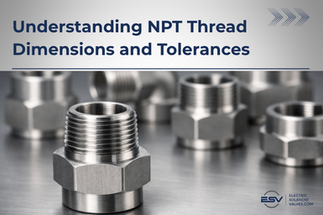
Posted by Electric Solenoid Valves on Aug 18th 2025 NPT Threading Explained Threaded fittings are an essential component in many fluid control systems, including solenoid valves. One type of thread you might come across is the National Pipe Thread Taper (NPT) thread. In this … read more
Posted by Electric Solenoid Valves on Jul 25th 2025 Can You Fix Your Solenoid Valve, or Is It Time for a New One? Solenoid valves are unsung heroes in countless systems, from home irrigation and washing machines to sophisticated industrial controls. They precisely manage the flow of liquids and gases, but like an … read more
Posted by Electric Solenoid Valves on Jul 18th 2025 Unsure Which Normally Open Solenoid Valve to Buy? Here’s How to Choose the Right One When you're building or optimizing a fluid control system, every component counts. And when it comes to controlling flow with precision, Normally open solenoid valves are key players you might not alw … read more