
Posted by Electric Solenoid Valves on Jun 17th 2026
Leveraging Steam Solenoid Valves to Optimize Productivity In the Food Processing Industry
Steam solenoid valves play a critical role in modern food manufacturing facilities. From pasteurization and sterilization to cleaning and packaging operations, steam is essential for maintaining productivity and food safety. By automating steam flow control, steam solenoid valves help processors improve efficiency, reduce downtime, and maintain consistent product quality.
Steam solenoid valves provide automated control over steam flow, allowing food processing facilities to improve efficiency, maintain consistent temperatures, and reduce energy consumption. In this guide, we explore how steam solenoid valves support modern food production and which factors to consider when selecting one.
Why Steam Solenoid Valves Are Essential in Food Processing
Many food production processes rely on steam because it transfers heat efficiently and can be used for direct or indirect heating. Common uses include:
- Pasteurization
- Sterilization
- Cooking and blanching
- Cleaning and sanitation systems
- Packaging equipment
- Humidification processes
Maintaining precise steam delivery is essential for ensuring product consistency, reducing waste, and complying with food safety regulations.
What Is a Steam Solenoid Valve?
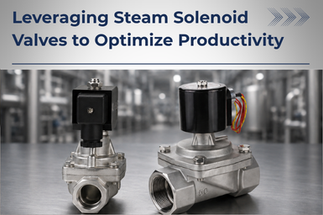
A steam solenoid valve is an electrically operated valve designed to control the flow of steam automatically. When energized, the valve opens or closes, allowing steam to pass through the system according to process requirements.
Unlike manual valves, steam solenoid valves can be integrated into automated control systems, enabling faster response times and improved process accuracy.
Benefits of Steam Solenoid Valves for Food Manufacturing
Improved Process Consistency
Temperature control is critical in food production. Steam solenoid valves help maintain consistent steam flow, ensuring products receive the required heating conditions throughout the manufacturing process.
Increased Productivity
Automated valves eliminate the need for manual intervention, reducing downtime and helping facilities operate more efficiently. Fast response times also improve process control during production changes.
Reduced Energy Consumption
Steam losses can significantly impact operating costs. Properly sized steam solenoid valves help minimize wasted steam and improve overall system efficiency.
Enhanced Food Safety
Consistent heating and sterilization processes are essential for food safety compliance. Automated steam control helps reduce process variability and supports quality assurance initiatives.
Selecting the Right Steam Solenoid Valve
Choose Hygienic Materials
Food processing environments require materials that can withstand moisture, cleaning chemicals, and elevated temperatures.
Stainless steel steam solenoid valves are often preferred because they offer:
- Corrosion resistance
- Long service life
- Easy cleaning
- Compatibility with sanitary environments
Verify Temperature and Pressure Ratings
Steam applications operate under demanding conditions. Always verify that the valve is rated for the maximum steam pressure and temperature present in the system.
Consider Valve Reliability
Frequent cycling, high temperatures, and continuous operation can place significant stress on valve components. Selecting a valve designed specifically for steam service can help reduce maintenance requirements and extend service life.
Evaluate Automation Requirements
Facilities using PLCs or automated control systems should ensure that the selected valve integrates seamlessly with existing controls and electrical specifications.
Browse our reliable steam solenoid valves designed for high-temperature applications and automated process control.
Common Steam Valve Challenges in Food Processing
Steam systems can experience several operational challenges, including:
High Temperatures
Steam valves must withstand elevated temperatures without compromising performance or seal integrity.
Condensate Formation
Condensate can reduce efficiency and contribute to component wear. Proper system design and drainage help minimize these issues.
Corrosion and Scaling
Exposure to moisture and impurities can lead to corrosion and buildup over time. Selecting corrosion-resistant materials helps improve reliability.
Process Interruptions
Valve failures can result in production downtime. Preventive maintenance and proper valve selection reduce the likelihood of unexpected shutdowns.
Steam Solenoid Valve Maintenance Best Practices
Perform Routine Inspections
Regular inspections help identify wear before it causes system failures.
Check for:
-
- Steam leaks
- Damaged seals
- Coil overheating
- Corrosion
Maintain Clean Steam Systems
Contaminants can affect valve performance. Filters and strainers should be inspected and cleaned regularly.
Verify Electrical Connections
Loose or damaged electrical connections can prevent proper valve operation and should be addressed promptly.
Replace Worn Components
Replacing seals, diaphragms, and other wear items during scheduled maintenance helps maximize valve lifespan.
Improve Food Processing Efficiency with the Right Steam Valve
Whether you're managing sterilization, cooking, cleaning, or packaging operations, the correct steam solenoid valve can improve process reliability and reduce downtime.
Conclusion
Steam solenoid valves play a vital role in modern food processing operations by improving process control, reducing energy waste, and supporting food safety objectives. By selecting valves with appropriate temperature ratings, hygienic materials, and reliable automation capabilities, manufacturers can optimize production efficiency while maintaining consistent product quality.
Whether you're upgrading an existing steam system or designing a new production line, choosing the right steam solenoid valve can significantly improve operational performance and long-term reliability.