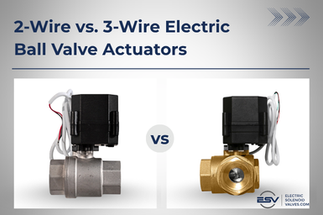
Posted by Electric Solenoid Valves on Aug 6th 2026 2-Wire vs. 3-Wire Electric Ball Valve Actuators: Key Differences & Selection Guide 2-Wire vs. 3-Wire Electric Ball Valve Actuators: Key Differences & Selection Guide Imagine that during a facility-wide power outage, a chemical dosing valve remains open because the actuator was d … read more
Posted by Electric Solenoid Valves on Feb 17th 2026 Water Hammer: Causes, Damage & How to Prevent It What Is the Water Hammer Effect? Causes, Damage, and How to Prevent It in Piping Systems The water hammer effect, also known as water hammer, is a common plumbing phenomenon that can be both startling … read more
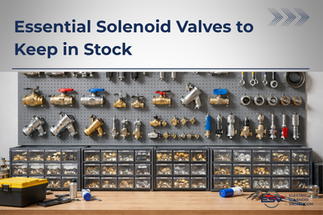
Posted by Electric Solenoid Valves on Dec 26th 2025 Essential Solenoid Valves to Keep in Stock Solenoid Valves to Keep in Stock: Essential Types for Industrial Applications Most “I need a solenoid valve today” problems are not about brand. They are about one missing spec that turns … read more
Posted by Electric Solenoid Valves on Aug 5th 2024 Troubleshooting Common Electric Ball Valves Issues Common Electric Ball Valve Problems: Troubleshooting Guide and Solutions Electric ball valves are certainly one of the most important devices in fluid systems—from home automation to industrial … read more
Posted by Electric Solenoid Valves on Jul 10th 2024 Comparing L-Type (L-Port) vs. T-Type (T-Port) 3-Way Ball Valves L-Port vs. T-Port 3-Way Ball Valves: Flow Patterns & Selection Guide Designed with three ports, 3-way valves allow for the diversion and mixing of flow paths. This configuration is versatile for m … read more
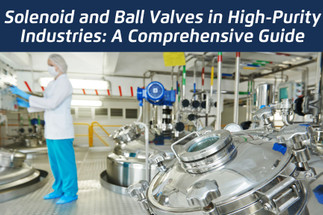
Posted by Electric Solenoid Valves on Dec 27th 2023 Solenoid and Ball Valves in High-Purity Industries: A Comprehensive Guide High-Purity Solenoid & Ball Valves: Material Selection, Benefits & Applications High-purity fluid applications span different industries - from food processing systems and pharmaceutical manuf … read more